What Does "Trust in the Lord With All Your Heart" Mean?
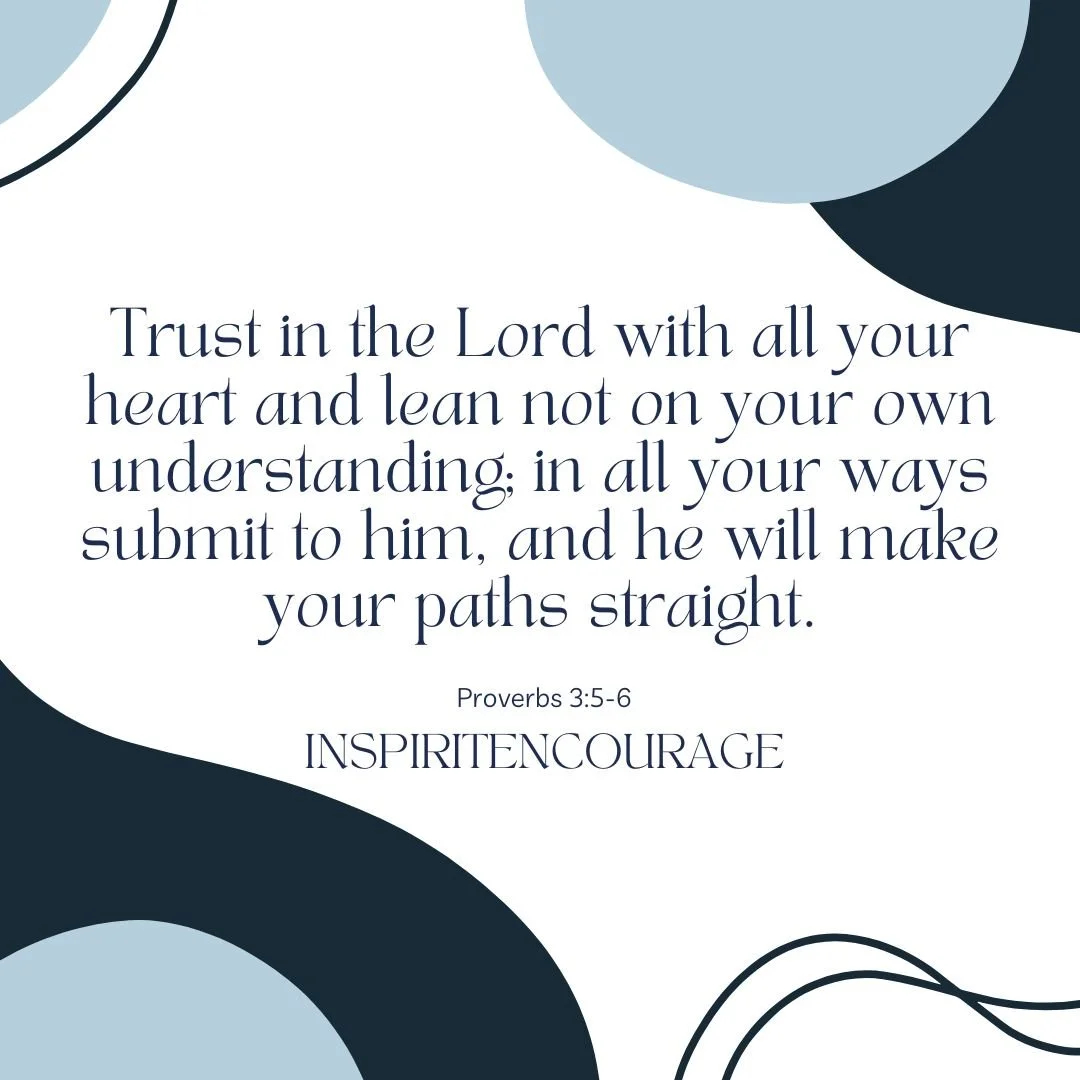
Proverbs 3:5 is one of the most quoted verses about trust in the Bible — often appearing on jewelry, wall art, and graduation cards. But its familiarity can make it easy to skim past without really asking: what is it actually saying?
"With all your heart" — not partial trust
In Hebrew thought, the heart wasn't just the seat of emotion — it represented the whole inner person: mind, will, emotions, decisions. So "with all your heart" isn't asking for a feeling. It's asking for your whole self — your thoughts, your choices, your direction — to be oriented toward trusting God. Not just the parts of life that feel spiritual, but all of it.
"Lean not on your own understanding" — the other half of the verse
This verse doesn't say trust instead of thinking. It says don't lean on your understanding alone. Your understanding has limits — not because the future is already written and hidden from you, but because the future is still being shaped, still open, still being worked out in relationship with God and with the choices ahead. Trusting God with all your heart means holding your own conclusions a little more loosely, recognizing that what's possible is bigger than what you can currently see.
"In all your ways" — not just the big decisions
Proverbs 3:6 continues: "in all your ways submit to him, and he will make your paths straight." This isn't a promise that the path will be smooth or pre-decided — it's a picture of partnership. As you bring your everyday choices into relationship with God, that relationship shapes the path as you go. Not just the major crossroads — the everyday ways. The ordinary choices, the small frustrations, the routine days. Trust "with all your heart" isn't reserved for crises. It's a posture that runs underneath all of it.
What it doesn't mean
It doesn't mean having no doubts, no questions, or no plans of your own. The same Bible that contains this verse also contains the Psalms — full of people wrestling, questioning, even arguing with God. Trusting "with all your heart" doesn't require certainty. It means that even in the questioning, your fundamental orientation is toward God rather than away from Him.
What it actually looks like
Practically, this might look like:
Bringing a decision to God before you've already made up your mind
Holding your own plans loosely enough that you can adjust
Returning to trust again after a day (or season) where you leaned too hard on your own understanding — because this is a practice, not a one-time achievement
Trusting God "with all your heart" isn't about arriving at perfect confidence. It's about where your whole self keeps returning to, again and again — especially on the days that's hard to do.
Our Trustworthy God explores what it looks like to build this kind of whole-hearted trust — not as a single decision, but as something that grows through the realities of everyday life.